
2D Art
YOUR PERSONAL ART DESKTOP
Starting art desk…
Drawings, experiments, and a little imagination.


Endless Spring
Art demo · A / D to move
About the Game
Endless Spring is a 2D infinite looping side scroller built in Unity, featuring a multilayered parallax environment. The visuals were created using Figma and Procreate, then brought into Unity with custom 2D shaders, lighting, and post processing.
Inspiration
Inspired by games like GRIS and Neva, I wanted to create a quiet, nature focused 2D environment with a strong visual identity.
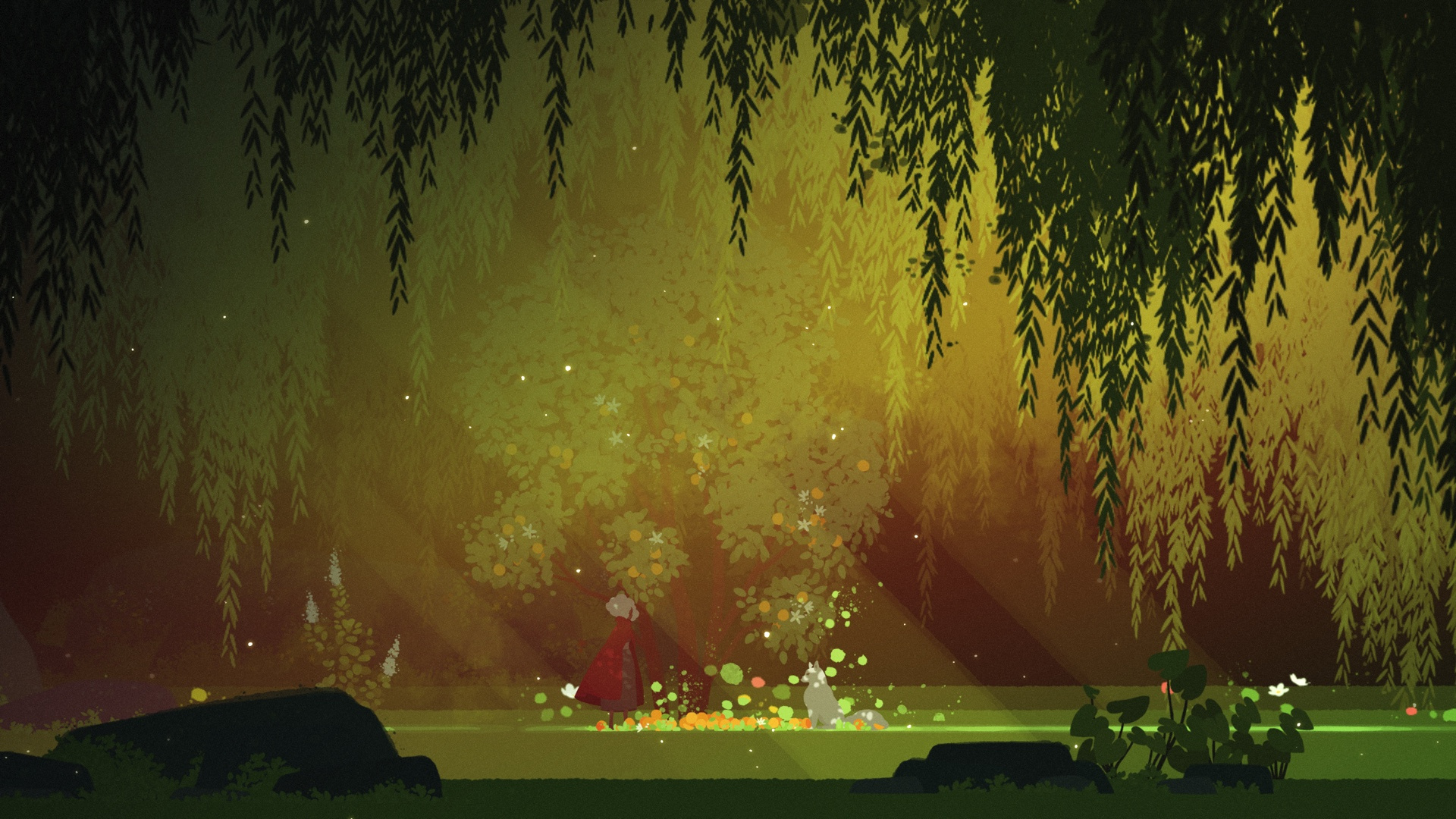
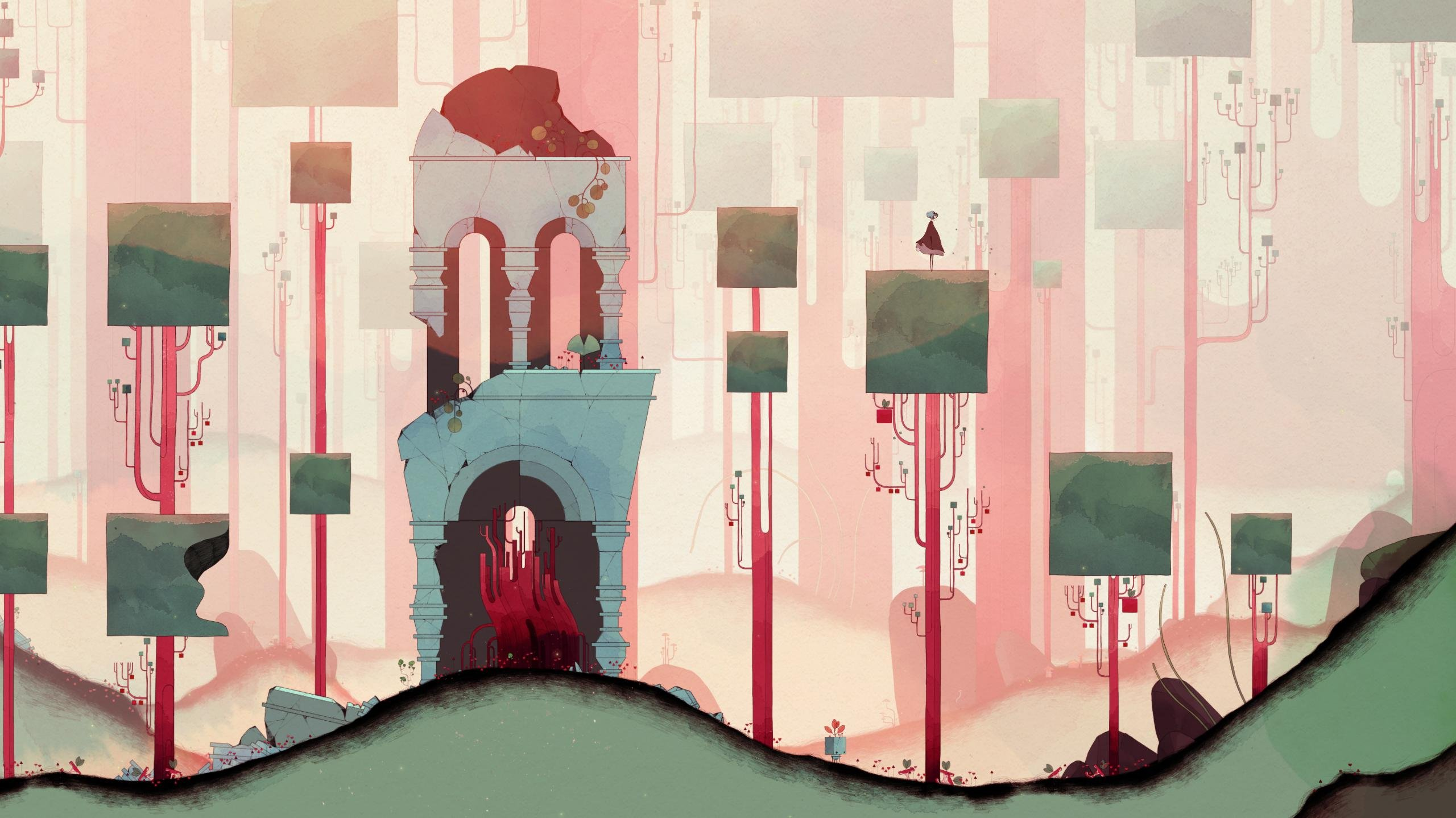
The scene is centered around a large statue, with animals and environmental details scattered throughout the world. Multiple foreground and background layers move at different speeds to create depth through a parallax effect.
Process
I started by creating rough landscape layouts to establish the composition and depth of the scene.
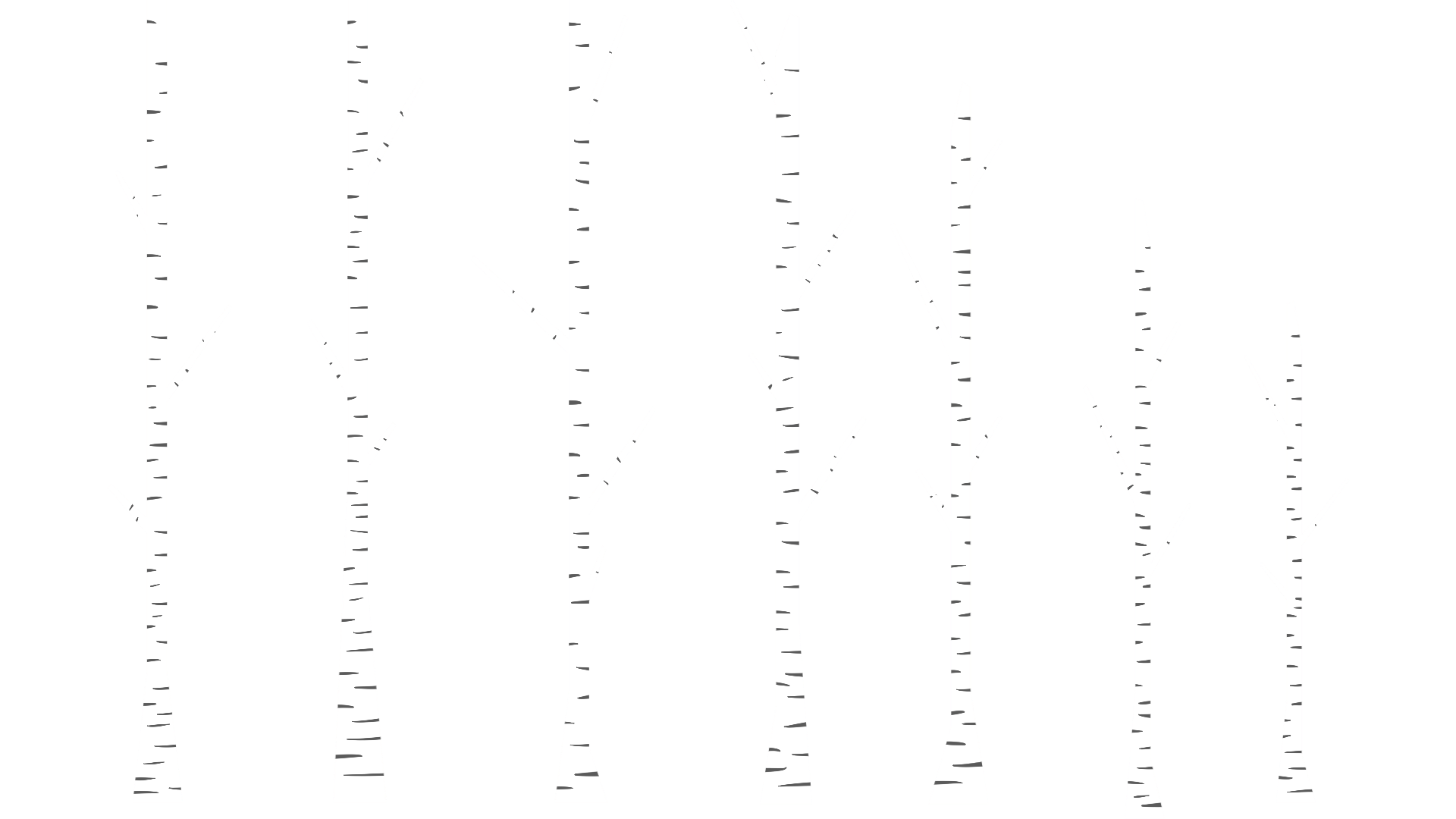
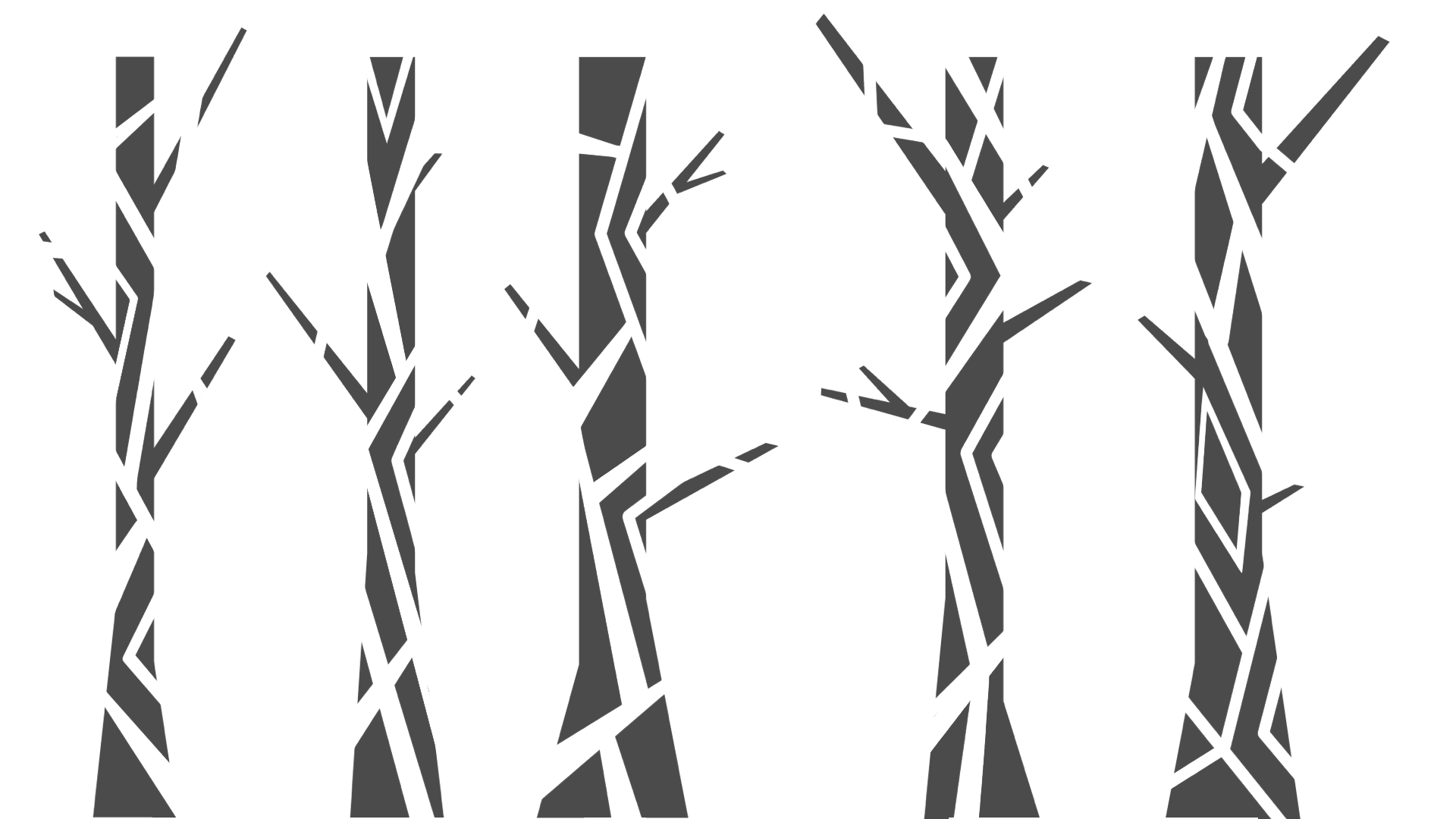
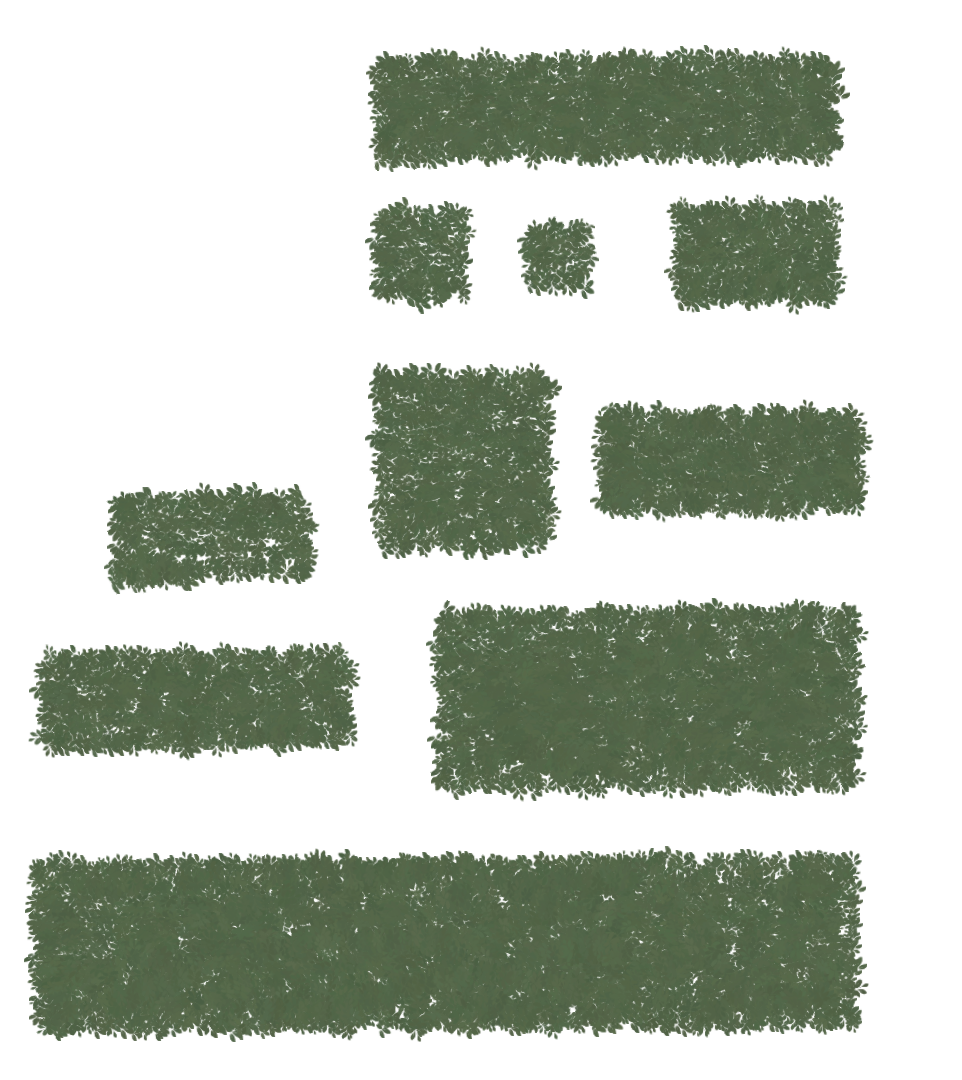
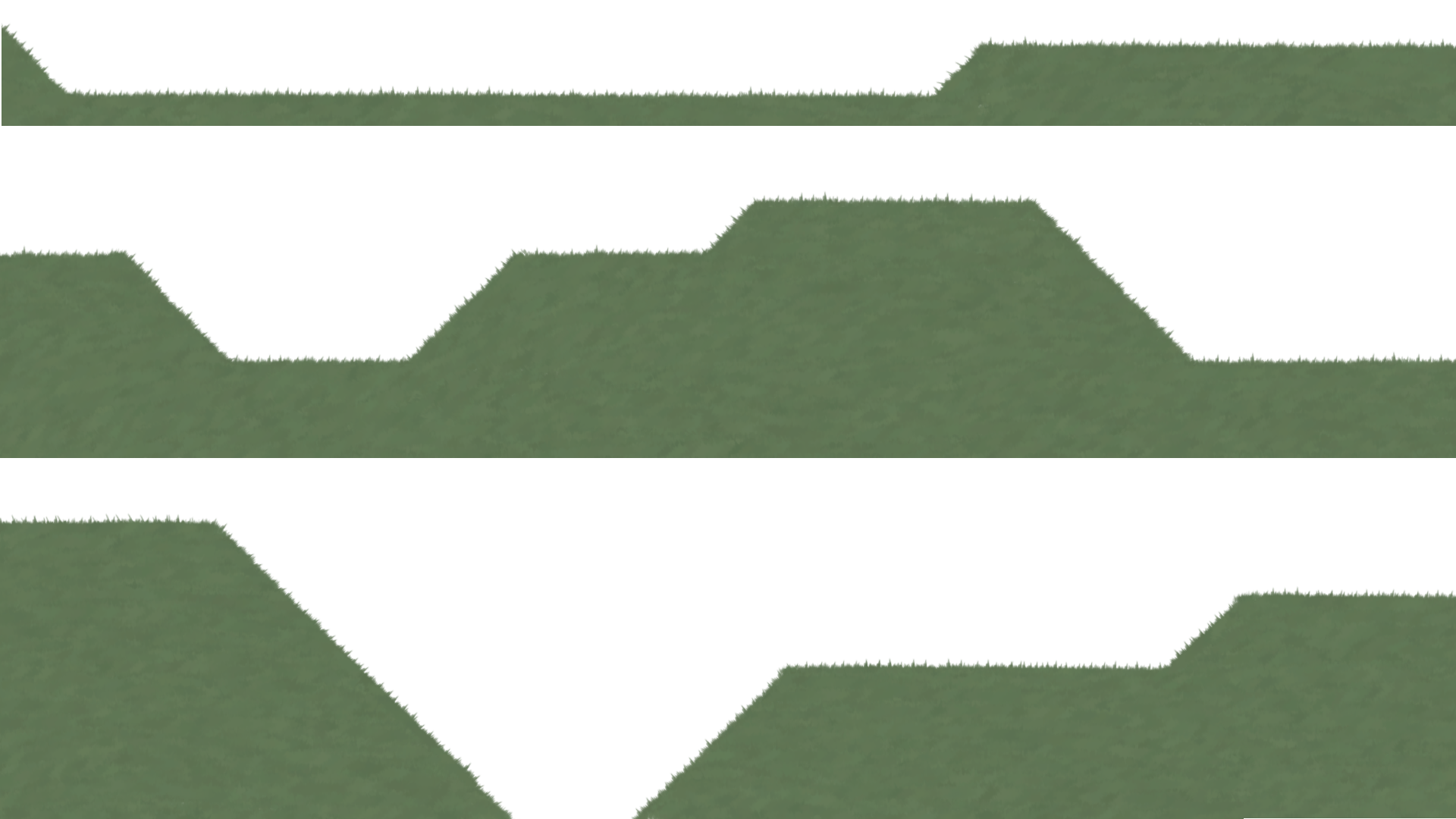
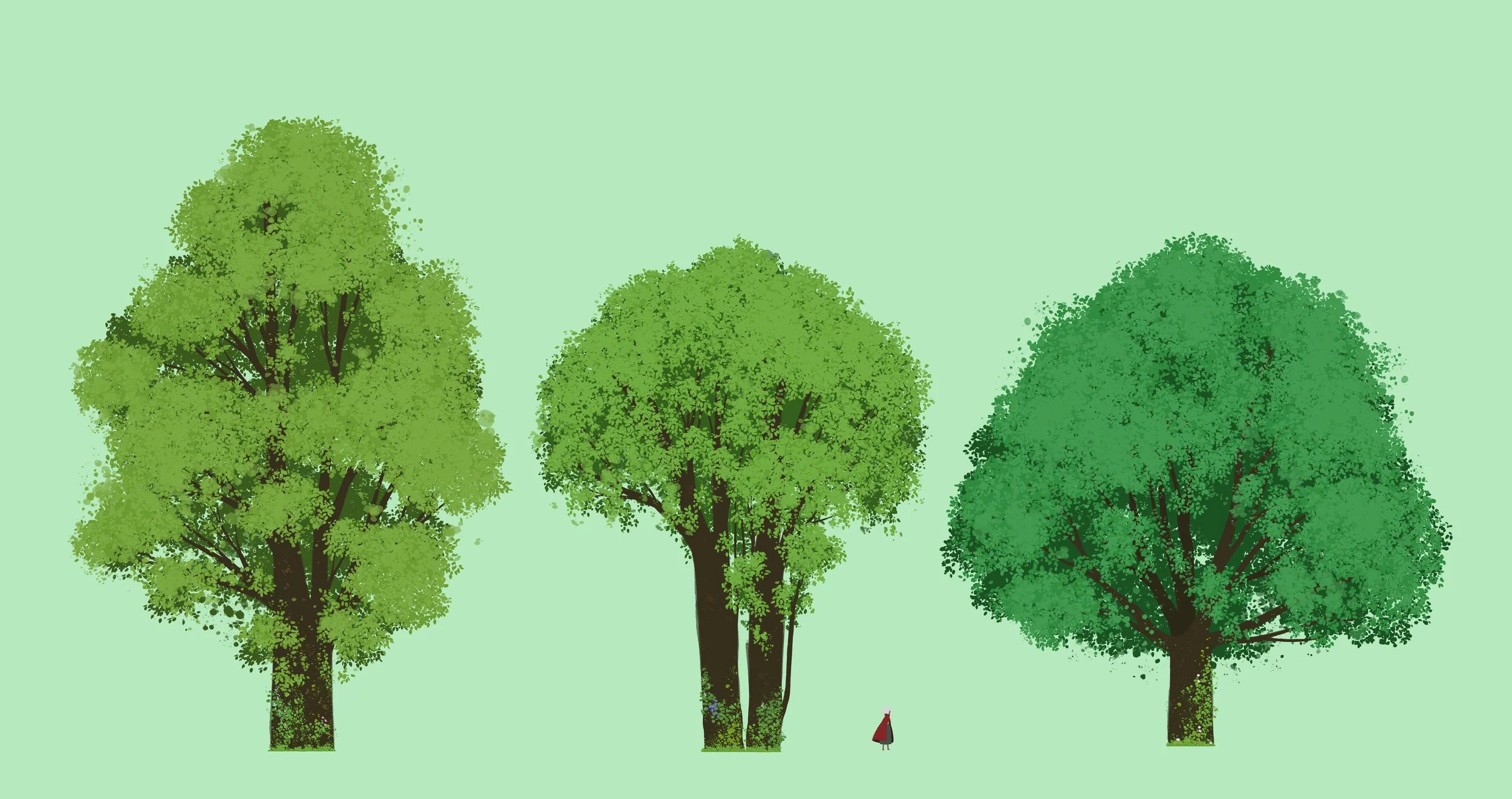
From there, I used Figma to build the main landscape, trees, statue, and animals using simple shapes. I then brought those assets into Procreate and hand-painted textures onto the trees and terrain so they would not feel like flat blocks of color.
After importing everything into Unity, I built the lighting using god rays, sprite lights for leaf shadows, and post-processing.
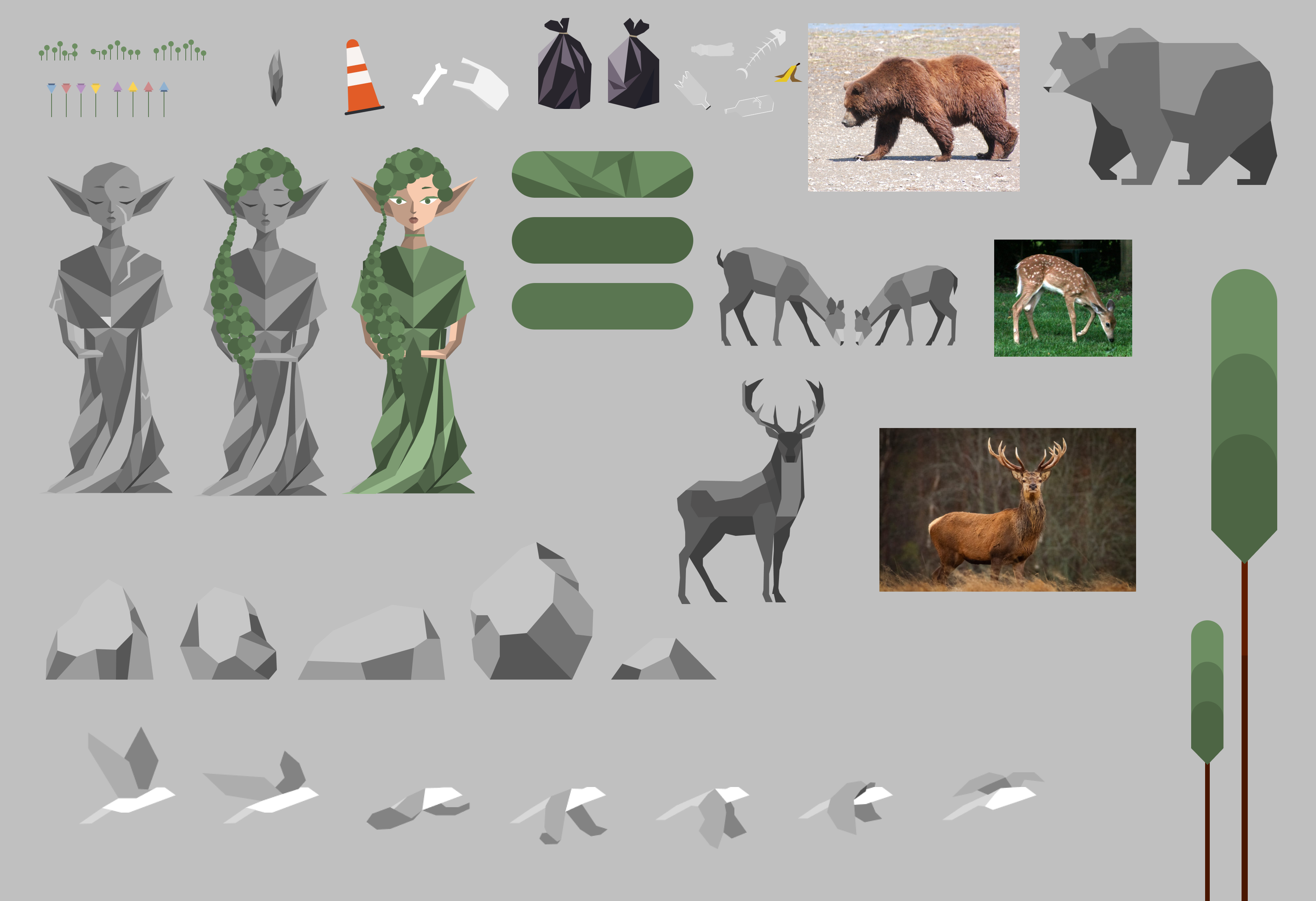
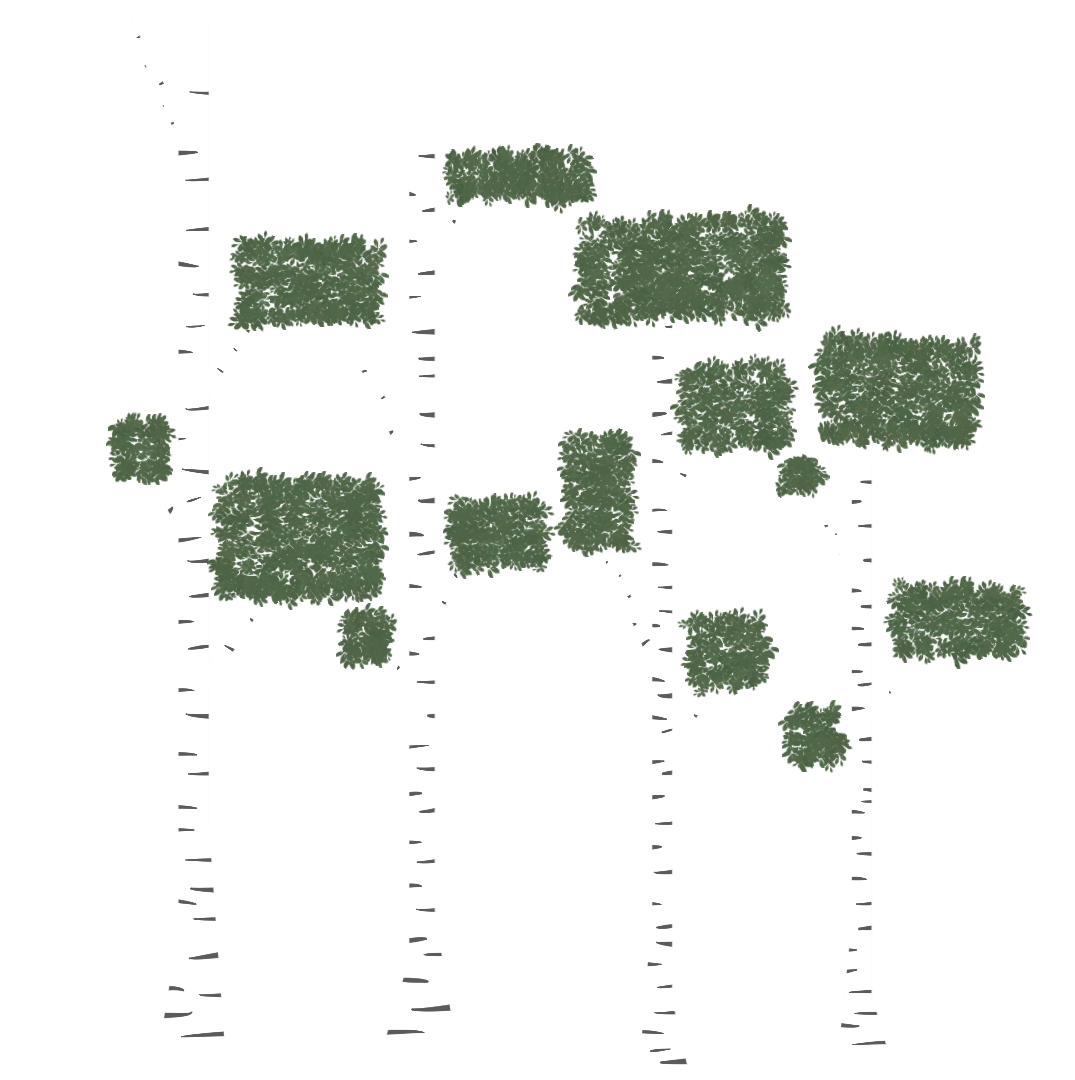
I then created smaller environmental assets such as rocks, grass, and flowers in Figma, along with hand-painted leaf clusters in Procreate. Finally, I created a leaf shader to make the foliage move naturally in the wind and assembled everything into the final looping environment.
Learnings
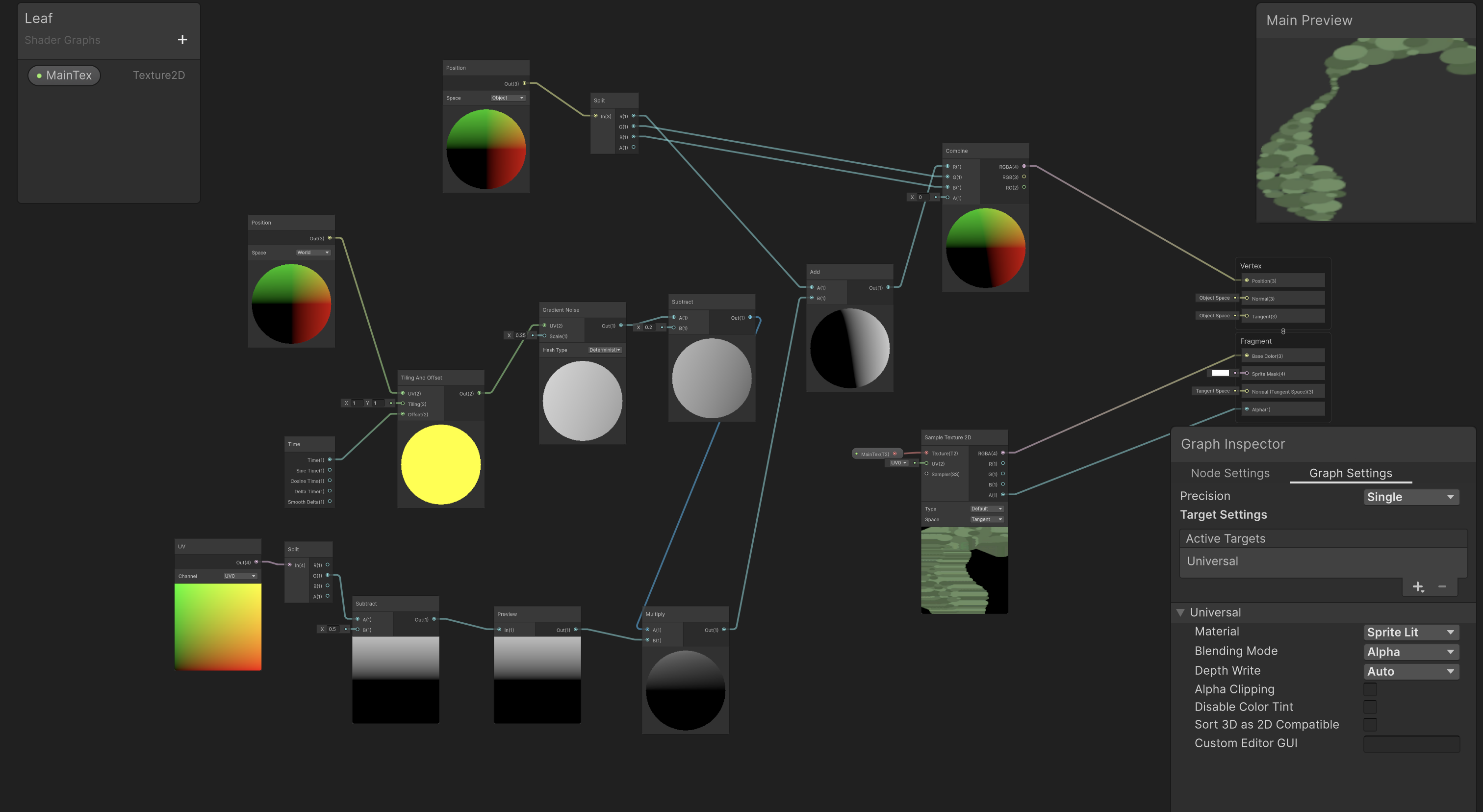
This project introduced me to shader creation in Unity, including building a gradient background and creating animated leaves that move with the wind.
I also learned more about creating 2D assets from simple shapes in Figma, combining vector and hand-painted workflows, and using 2D lighting and post-processing to give a flat scene more depth.
Challenges
The biggest challenge was achieving the visual style I originally imagined.
Even after several iterations, I still felt that the lighting did not look as natural as I wanted. One reason was that many of the assets began as simple flat shapes in Figma, so they lacked the built-in gradients and value variation that would naturally react to lighting like the assets used in Neva.
The bin is empty.
No discarded files here.